
The 2026 trade deadline is just about a month away. This year's deadline is 6 p.m. ET on Monday, Aug. 3, which gives teams a little more than four weeks to figure out if they're a buyer, a seller, or even both. The buy and sell approach has become more popular in recent years, not that it's easy to swing. Teams will try, though. You can be sure of it.
With that timeline in mind, let's take stock of each team and try to figure out the approach they'll take. Some are obvious. Most aren't given the standings. Here is our buyer/seller guide a month out from the deadline.
Arizona Diamondbacks: Buyer
So says GM Mike Hazen, anyway. They should buy. The Diamondbacks missed the postseason the last two years and their 2023 pennant win is their only postseason trip since 2018. Arizona continues to hang around the wild-card race but they need pitching, both starters and relievers. Corbin Burnes had a setback in his Tommy John surgery rehab and won't be back to give the rotation a shot in the arm anytime soon. As much as any team in the game, the next four weeks will be crucial in determining how the D-backs approach the deadline.

(Sacramento) Athletics: Soft buyer
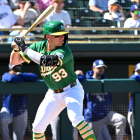
The A's have a losing record since May 1, but thanks to the mediocrity that is the American League, they remain in both the AL West and wild-card races. Despite that, it's hard to see the Athletics being an aggressive buyer. They're building more toward their future in Las Vegas than right now, and won't surrender prospects for what is maybe a 50/50 chance at the postseason. If there's a chance to add a player with multiple years of control, ideally a starting pitcher, I would expect the A's to pounce. There could be some mild selling here too. If a team has interest in a rental role player like Aaron Civale or Jonah Heim, why not move him?
Atlanta Braves: Buyer
Clearly, they're a buyer. The Braves have been one of baseball's best teams since Opening Day and they built themselves enough of a cushion earlier this year that they've been able to weather some recent injuries (Ronald Acuña Jr. and Spencer Strider) and downturn in performance (Bryce Elder and Dominic Smith). The deadline will be more about augmenting a strong roster than making a big necessary splash. A proper No. 2 starter behind Chris Sale would be a swell addition.

Baltimore Orioles: Buyer (for now)
Last week, president of baseball operations Mike Elias suggested that he considers the O's a buyer, but told the Baltimore Banner that he would "like to take more time before diagnosing that." Baltimore is 1-4 since then and has fallen further behind in the wild-card race. In this AL though, they're a good week away from being right back in it. Right now, I will say the Orioles are a buyer trending toward being a seller. If they buy, bullpen help and a starter are atop the shopping list. If they sell, Taylor Ward would instantly become one of the most coveted bats available.

Boston Red Sox: Seller trending toward buyer
The state of the AL is such that the Red Sox lost a series to the MLB-worst Rockies last week to fall a season-high 14 games under .500, and now they're back in the wild-card race after rattling off five straight wins earlier this week. They're still facing a steep enough uphill climb that selling feels more likely than buying, but if this recent hot streak continues for another few weeks, sure, the Red Sox could buy. They're a candidate to buy and sell at the same time, too. Boston could move out rentals (Aroldis Chapman, Sonny Gray, etc.) while importing players with control beyond 2026.

Chicago Cubs: Buyer (probably)
Good luck figuring out the 2026 Cubs. No team has run more hot and cold this season. They're hot right now and firmly in wild-card position. In a week or two, though? Who knows. The Cubs should be a buyer right now with all types of pitching (starters, relievers, righties, lefties, rentals, controllable, etc.) on the shopping list. Is it possible they sell at the same time? Could the Cubs trade, say, Seiya Suzuki, who will be a free agent after the season and in high demand at the deadline as a righty outfield bat, to get pitching they can keep beyond this season? Hmmm.

Chicago White Sox: Buyer!
Halfway through the season, the AL Central title is there for the taking, especially with José Ramírez still weeks away from rejoining the Guardians following his hamstring injury. I don't think you'll see the White Sox dip into their farm system to pick up rentals. It might be a year too early to do that. To get players they can keep long-term and who align with their young core's best years? Absolutely. It won't be easy to swing that kind of trade, but in no way would I rule it out for the ChiSox. The vibes are simply too good to sell, and besides, rental veterans like Sean Newcomb won't fetch a ton. Buy. Just be smart about it.

Cincinnati Reds: Seller
The Reds are 19-35 since May 1, and while they'll get Hunter Greene back this weekend, he alone is unlikely to be enough to get them back into contention. Cincinnati would have a nice collection of rentals to offer at the deadline if they do sell: Nathaniel Lowe, Brady Singer, Tyler Stephenson, and Eugenio Suárez. The crash has been so hard the last few weeks that it's difficult to envision the Reds buying in a month's time.

Cleveland Guardians: Buyer
It has been a few years since the Guardians were an aggressive buyer at the trade deadline, but when they're in the race, they typically go out and reinforce the roster. They're in the race this year, both the AL Central and the wild card, so expect them to add pieces, just not anyone significant. Reminder: Cleveland already picked up Patrick Bailey via trade in May.

Colorado Rockies: Seller
Thanks to a new cutter and a velocity spike that came with the move into the bullpen, Antonio Senzatela will be one of the most coveted relievers at the deadline. The question is whether the Rockies' new front office, led by POBO Paul DePodesta, will go all-in on a deadline fire sale and move power-hitting catcher Hunter Goodman. He will remain under team control through 2029, so there is no urgency to move him, but also those team control years mean the return could be massive. Regardless, the Rockies are a seller.

Detroit Tigers: Seller, most likely
Detroit had a nice little 12-6 hot streak early last month that made you think 'OK, here they go, they're going to go on a run and get back into the postseason race.' Instead, they're 4-5 since, nudging them further in the seller direction. I don't think they want to sell. POBO Scott Harris understands their reality though. All eyes will be on Tarik Skubal, of course, but don't forget about Casey Mize. He's been outstanding around a groin injury (two injured list stints) and will be a free agent after the season. Skubal will be the best starter on the trade market. I bet at least a few teams would consider Mize the second-best available.

Houston Astros: Buyer
Did you know the Astros have the AL's best record since the admittedly arbitrary date of May 14? It's true. They've climbed back into the wild-card race and the AL West title is within reach too. It's not really in this team's DNA to sell. As long as the Astros are within striking distance of a postseason berth, they're going to buy. They have to find pitching (starters, relievers, whatever) and a left-handed hitting outfielder.

Kansas City Royals: Seller
What a disappointing season in Kansas City. The Royals were a trendy wild-card pick coming into 2026, if not a trendy AL Central pick, and instead they're hovering around the bottom of the standings. There's enough talent in place that contending next year is not out of the question, so a total sell-off may not happen. That could mean starters Seth Lugo and Michael Wacha, both of whom are signed through 2027, will stay put. Veteran lefty Matt Strahm has pitched so poorly that he might be a release candidate at this point, not a trade candidate. The market is starved for righty-hitting outfielders. Don't be surprised if the Royals find takers for Starling Marte and Lane Thomas.

Los Angeles Angels: Seller, I think?
The Angels are very bad, that much is obvious, and they recently fired GM Perry Minasian. Does that mean they're ready to begin a much-needed rebuild and hold a deadline fire sale? It's impossible to know with the Angels. They don't always act rationally. Obviously they should sell, and, if they do sell, they have some attractive players. Controllable starters Reid Detmers and José Soriano would fetch a very good prospect package. Would Mike Trout waive his no-trade clause if the Angels signal a rebuild is coming? I don't see the Halos buying aggressively. I know that much.

Los Angeles Dodgers: Buyer
I mean, duh. It will be a good long while until the Dodgers are sellers at the deadline again. In terms of roster-building, POBO Andrew Friedman does the heaviest listing in the offseason. He doesn't like to get involved in deadline bidding wars. Fortunately for Friedman, the Dodgers don't need much. Maybe a reliever, maybe a starter if there's concern about Tyler Glasnow's back or Blake Snell's elbow, and that's about it. It doesn't mean the Dodgers won't do something big, like trade for a certain two-time Cy Young-winning lefty currently pitching in Detroit, but "something big" is not necessary.

Miami Marlins: Buyer (with some selling?)
Despite a parade of pitching injuries, the Marlins went 20-6 (!) in June and climbed into a wild-card spot. I'm fascinated to see what they do at the deadline. Does POBO Peter Bendix stick to the long-term plan and trade away rentals (Pete Fairbanks, namely), or reinforce a roster that deserves to be reinforced based on its play? I could see Bendix threading the needle and adding to his roster without buying aggressively and also capitalizing on a market short on quality relievers by trading Fairbanks (and/or others). The next four weeks figure to clarify Miami's deadline approach.

Milwaukee Brewers: Buyer
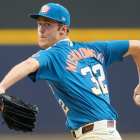
The Brewers occasionally buy and sell simultaneously. Last year, they shipped out Danny Jansen while importing Shelby Miller, for example. Milwaukee is again one of the best teams in baseball, so yes, they'll be buyers. I do wonder if they wind up moving, say, a glove guy and role player like Joey Ortiz or Blake Perkins to make it all work.

Minnesota Twins: Seller, probably
In the woebegone American League, you can be 42-46 and only 2 ½ games out of a wild-card spot, like the Twins are now. They've won 10 of their last 16 games and are trending up, and part of me wants to see a team with a losing record make the postseason purely for the absurdity, but the Twins spiritually feel like sellers. There would be significant interest in Joe Ryan, who is under team control through 2027, as well as rental catcher Ryan Jeffers, despite his hamate injury.

New York Mets: Seller
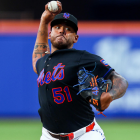
The Mets fired manager Carlos Mendoza last week and that figures to only be the first subtraction between now and the deadline. Rental starter Freddy Peralta would be one of the top players available. There would be demand for rental lefty relievers A.J. Minter and Brooks Raley as well. Clay Holmes has a $12 million player option for 2027 that he is likely to decline. So many teams need pitching that Holmes would fetch a nice return despite not pitching since May 15 because of a broken leg (he has started playing catch). You might see the Mets bring in a player they can keep beyond 2026, but their overall deadline approach will be selling.

New York Yankees: Buyer
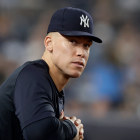
The Yankees have the AL's best run differential by more than 50 runs despite their current seven-game losing streak and having lost several core players (Max Fried, Aaron Judge, Giancarlo Stanton) to longer-term injuries. Bullpen help is the biggest need. A right-handed-hitting catcher and perhaps a new body on the left side of the infield are also on the deadline shopping list. Perhaps an outfielder if there's more concern about Judge's rib fracture than they've let on publicly. For sure, though, the Yankees will buy.

Philadelphia Phillies: Buyer
Brandon Marsh's monster season and Zack Wheeler's return have more to do with Philadelphia's run up the standings than the managerial change, but the result is the same. The Phillies are not only in the wild-card race; they're in the NL East race now too. Of course they're buying. A right-handed-hitting outfielder is an absolute must-have. A depth starter to soak up the innings Andrew Painter failed to provide wouldn't be a bad idea either.

Pittsburgh Pirates: Buyer
Unless they bomb out of the race these next four weeks, I have a hard time believing the Pirates will sell. They're still in the wild-card race, they had an active offseason (especially by their standards), and their window with Paul Skenes is as open as it will get. Selling would render this season a colossal organizational failure. Bullpen help will be the No. 1 target for the Pirates.

St. Louis Cardinals: Seller (and buyer?)
POBO Chaim Bloom seems unlikely to deviate from the long-term plan even with the Cardinals hanging around the wild-card race. Lars Nootbaar would be attractive as an outfielder with control beyond 2026. Rental reliever JoJo Romero would improve about 28 bullpens. We can't rule out a Dustin May trade either, and you know teams will ask about closer Riley O'Brien. If St. Louis stays in the race, you might see them buy as well, though I would be surprised if they make a big splash.

San Diego Padres: Buyer
Does GM A.J. Preller even know how to sell? The Padres will buy at the deadline. There's no doubt about that. San Diego needs a starter to strengthen the rotation, ideally someone they can keep long-term, and they have to find more offense somewhere. It's possible the Padres will move out a reliever (Jeremiah Estrada? Yuki Matsui?) for help elsewhere on the roster, though I wouldn't consider that selling. That would simply be the product of having a thin farm system and needing to trade someone.

San Francisco Giants: Seller
The Giants were said to be pondering a deadline sell-off last month and the last few weeks should have only pushed them further in that direction. They would certainly love to unload their biggest contracts (Willy Adames, Matt Chapman, Rafael Devers), contracts that were brokered by current POBO Buster Posey, but that might take a miracle. Rentals Luis Arraez and Robbie Ray are far more likely to be moved at the deadline. For sure, though, the Giants are selling. The only question is how much they're able to move out.
Seattle Mariners: Buyer
Expected to be one of the AL's top teams this season, the Mariners are instead jockeying for position atop the unimpressive AL West. They're going to buy, for sure, though it would be hard to make any additions that are more impactful than getting Brendan Donovan back from the injured list and Cal Raleigh turning the clock back to 2022-24 (never mind 2025). Middle relief help feels like it will be a priority.
Tampa Bay Rays: Buyer and seller
The Rays have simultaneously bought and sold at the deadline many times over the years. They're currently atop the AL East and have plenty of breathing room should they have to fall back on a wild-card spot, so of course they'll add to the roster. A power-hitting outfielder to raise the offense's ceiling would be a smart addition. Would Tampa trade Shane McClanahan or Drew Rasmussen, both of whom can be kept on affordable salaries in 2027? Probably not, but you can't rule out anything with this team. Making one or both of them available would send shockwaves through the trade market.

Texas Rangers: Buyer
A recent six-game winning streak has vaulted the Rangers into first place in the AL West. It's a veteran team whose window is as open as it's going to get, so yes, they're buying. Texas could use another bat, and Ezequiel Duran's versatility means they can look at the options at second base or in the outfield. They're not locked in at one position. More pitching is never a bad idea either.

Toronto Blue Jays: Buyer
Every time the Blue Jays string a few wins together that make you think they're about to go on the same kind of run that took them to the World Series last year, they do something like get swept at home in four games by the Rangers. Even with a 41-46 record, they're in the wild-card race, so they're buying. Selling is not an option given the current roster. A starting pitcher and a friendly witch who can remove the hex on Vladimir Guerrero Jr.'s bat are on the deadline shopping list.
Washington Nationals: Seller more likely than buyer
On Monday, POBO Paul Toboni stated the obvious on the team's deadline approach: "I don't know what we're going to be thinking a month from now." The Nationals have hung around .500 the last few weeks and are a good week or two away from being in a wild-card spot, but it's a tight race and their pitching may not hold up. Give Toboni a truth serum and I think he'd tell you he'd like clarity either way these next few weeks. Either go on a run that makes them buyers, or fall down the standings so selling is the obvious move. For now, I'll say seller. There's a scenario in which they do a little of both.