
CBS Sports on Monday wrote about the most expensive rosters in college football.
There were seven teams with $40 million-plus rosters and five others that trailed just behind. The tally has it as six from the SEC (LSU, Texas, Texas A&M, Georgia, Ole Miss, Tennessee), four from the Big Ten (Ohio State, Oregon, Michigan, USC), one from the ACC (Miami) and an independent (Notre Dame).
But what about the teams that didn't make the list?
CBS Sports spoke to more than 50 sources in reporting its story on roster costs, including this conference-by-conference breakdown over at 247Sports, and there were a few surprising exclusions. The defending national champions didn't make the list. Neither did Texas Tech, the posterchild for NIL spending, or Alabama, the dominant dynasty of the 21st century.
So what led to those teams missing the list? This is what sources are telling CBS Sports about the state of each program -- and roster.
Alabama Crimson Tide
The "Nick Saban discount" carried Alabama in the early years of NIL with the program able to succeed in spite of a smaller warchest than many of its rivals. Over Saban's last three seasons in Tuscaloosa, Alabama spent less total ($19.7 million) than any SEC program will spend on a single season roster in 2026.
Alabama has come a long way since the end of the Saban era but it is still a level or two below the elite spenders in the low $30 millions range. Never was that more evident than in the winter transfer portal when the Tide landed North Carolina State transfer running back Hollywood Smothers, filling a major need, only for Smothers to flip to a richer Texas Longhorns program.
The Tide start the preseason ranked No. 13, thier lowest ranking since 2008, and it isn't a huge surprise when you review their roster. While rivals are spending big on transfer quarterbacks and instant impact players, Alabama has real potential but few proven elite players coming into the season. It has prioritized spending on its high school recruiting rather than expensive portal shopping -- Alabama signed the SEC's 9th-best transfer class in 2026 -- which could pay off if former five-star quarterback Keelon Russell wins the starting job and lives up to the hype.

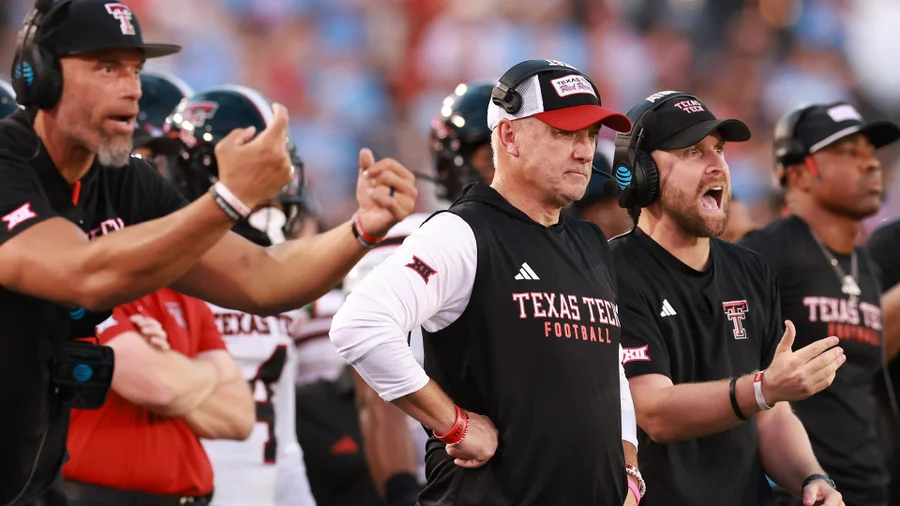
Texas Tech Red Raiders
The Red Raiders were probably a surprising exclusion on the top spenders list for many. After all, they're the headliner of the NIL era, a program that's lifted itself above the rest of the Big 12 in large part because of its investments and willingness to spend.
Texas Tech's roster is in the low $30-million range for 2026, per sources. But that comes with a Brendan Sorsby-sized asterisk. Had his $5-million-plus salary been on the books for the full year, the Red Raiders would have been on the cusp of the top 12. Either way, Texas Tech is comfortably atop the Big 12 for 2026.
There's an understanding in Lubbock that a roster cost in the 30s will put Texas Tech in position to potentially win the Big 12 every year -- we figure they have $10-million more than any conference foe to work with -- and give the team a chance to compete in the playoff. Don't expect Texas Tech to slow down any time soon. Their 2027 class, which is headlined by the nation's No. 1 defensive lineman Jalen Brewster, is a top 10 group. And Texas Tech will always be among the most aggressive spends in the transfer portal.

Indiana Hoosiers
Indiana's 16-0 national championship-winning 2025 season may never be matched, especially when you consider its long track record of failure and relatively economic spending on its roster. The Hoosiers were not one of the top spenders in the sport when they won it all -- not even close, really -- but with that success has come increased spending.
Indiana added one of the most expensive portal quarterbacks in TCU's Josh Hoover and beat out top programs for Michigan State receiver Nick Marsh. Even the type of prospect Indiana wants has changed since Curt Cignetti pushed the Hoosiers into a new stratosphere within the sport.
Sources have indicated to CBS that the Hoosiers made it clear to agents this offseason they were being more selective with their transfer portal takes and planned to add a different caliber of player. That's reflected in the transfer class, which ranked eighth nationally despite including only 17 transfers, the first time in Cignetti's tenure the Hoosiers took fewer than 23.
Indiana didn't spend like a blueblood on the way to its 2025 national title. But with the way the Hoosiers have invested this offseason, with a roster pushing into the $30-million range, they're operating like a team with plans on annual contention. It just is not enough -- yet -- to crack the top 12 highest-paid.