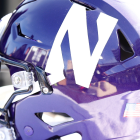


The Northwestern football program received a three-year, $35 million donation from the Uihlein family, the school announced on Tuesday. With coaches across the Power Four ranks begging boosters and donors for additional help in the transfer portal and revenue share era, one of the Big Ten's middle-tier programs is moving up to a better seat at the table.
"We are deeply grateful to the Uihlein family for their extraordinary generosity and commitment to Northwestern University," Northwestern athletics director Mark Jackson said in a statement. "Their support will help us continue building a program that delivers an exceptional student-athlete experience while competing at the highest level of college football."
With that contribution toward the growth, recruitment and future success of the Northwestern program, veteran coach David Braun can approach the 2026 season with added vigor, knowing there are supporters who believe in his vision.
Northwestern is no longer treating football like a side project, and this donation -- along with the much-anticipated opening of Ryan Field this season -- suggests Braun is being given every reasonable opportunity to push the Wildcats forward.
The arrival of Chip Kelly as offensive coordinator was the loudest personnel move, bringing one of the sport's most recognizable offensive minds to a unit that desperately needed imagination, credibility and a modernized identity. Kelly gives Northwestern schematic flexibility and a proven teacher for quarterback Aidan Chiles, whose transfer from Michigan State could accelerate the rebuild.
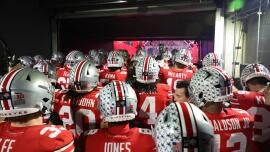
The new stadium changes the program's ceiling, too. Northwestern now has a venue capable of matching its place in the Big Ten, improving the game-day experience while giving coaches another tangible recruiting tool. Facilities do not win conference games, but they influence perception, momentum and whether prospects believe a school is serious about competing.
In an era driven by resources, roster retention and staff investment, Northwestern -- and its leading donors -- are making sure its football operation is not being left behind.
Ryan Field kicks off new era for Wildcats
After spending the past two seasons playing in a temporary facility on the shore of Lake Michigan, Northwestern moves into the new $850 million Ryan Field this fall. The Wildcats' first two nonconference games will be played at Northwestern Medicine Field at Martin Stadium before Ryan Field officially opens its doors to welcome Penn State on Oct. 2.
According to the school, the date for Ryan Field's first game marks exactly 100 years to the day that Northwestern's original stadium opened its gates in 1926.
"When you step into the new Ryan Field, if you're ever fortunate to stand at field level, you truly feel like you're in a new-age Roman Coliseum," Braun said last month. "You feel the intimacy."
The privately funded venue will be one of the Big Ten's most distinctive. The stadium will feature a first-of-its-kind standing-room-only student section above the south end zone, dubbed the "Wildcat Wall," which intends to mimic a European soccer-style environment.
The difficult part now becomes turning spending and resources into outcomes that matter. Braun has already shown he can stabilize a fractured program and instill belief within the building after two winning seasons in his first three years.
The next step is sustained relevance, improved recruiting and an offense capable of surviving against the league's best. Kelly's presence, a sparkling new home and fresh financial backing do not guarantee Northwestern will become a contender overnight.
However, those poker chips do remove some restrictions. The Wildcats finally possess enough cards to disrupt expectations and become an uncomfortable opponent in the Big Ten.